


news
New electric heating DPE rules start in January 2027
The measure is set to shake up the way energy efficiency is rated

Published


The latest change to the diagnostic de performance énergétique (DPE), making the calculation more favourable to homes using electric heating, will take effect in January.
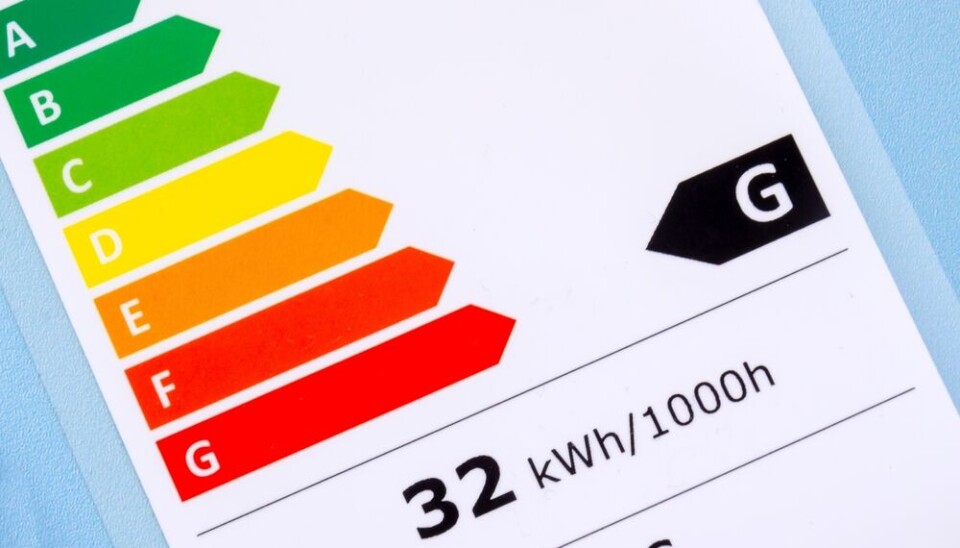
The DPE is required for property sales and when letting a property. It rates the energy efficiency of homes on a scale from A, for the most efficient, to G, for the least.
The new measure is expected to result in some E-, F- and G-rated homes moving into higher categories. In cases where a property moves above E, sellers who would otherwise be subject to the requirement will no longer have to commission an audit énergétique, which in some cases can cost more than €1,000.
The reports are intended to provide buyers with a detailed breakdown of the cost of work needed to improve a home’s DPE.
What the rules will mean
From January, property owners with an existing DPE will be able to use the website observatoire-dpe-audit.ademe.fr to obtain an official attestation showing their property’s revised rating under the new calculation, without having to commission a new DPE.
The government estimates that the change will result in around 300,000 main residences moving out of the F and G categories.
The reform lowers the electricity conversion coefficient used in DPE calculations from 1.9 to 1.7.
This means that each 1kWh of electricity consumed will count as 1.7kWh of primary energy for DPE purposes, compared with 1.9kWh currently.
It is the second reduction in as many years – the coefficient was already lowered once before, from 2.3 to 1.9, effective January 1, 2026. This earlier change alone was estimated to move around 850,000 homes out of F/G categories.
Future prospects for homeowners
According to the government, the change better reflects France’s highly decarbonised electricity mix, which relies heavily on nuclear power.
It forms part of a government drive to encourage greater use of electricity in homes and to address what is regarded as an imbalance in the DPE system that disadvantages properties heated by electricity.


