New farmer blockade set up in south-west France, others continue
New protest action is at the Foix tunnel and impacts travel into the Pyrénées and January action announced at Cherbourg port
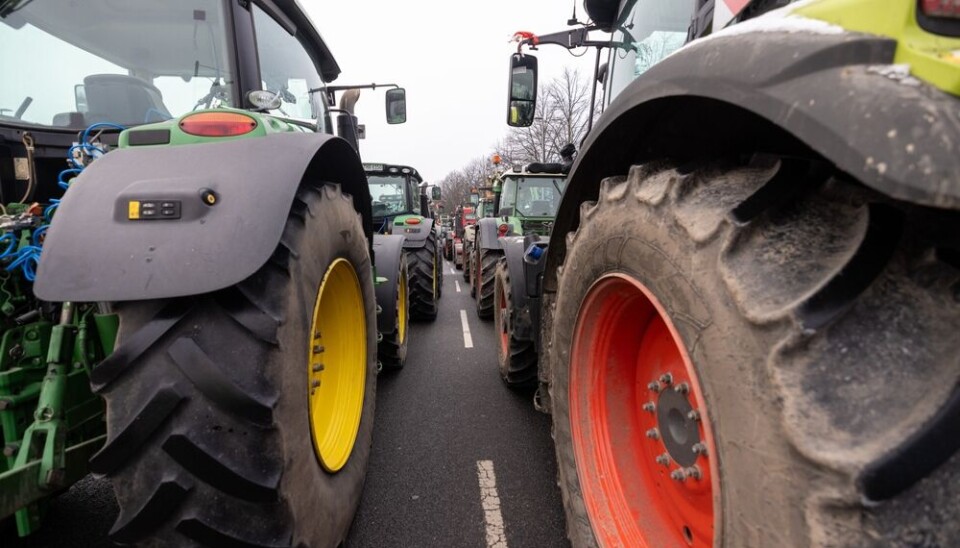
A major blockade south of Toulouse remains in place on the A64. Photo for illustrative purposes only
Filmbildfabrik/Shutterstock
A handful of road blockades by farmers look set to persist across the New Year in south-west France with a new surprise blockade put in place yesterday (December 29).
A major blockade on the A64 remains in place between Toulouse and Tarbes, on the A75 and several smaller departmental roads in the Haute-Garonne, Ariège, Aveyron, and Gers are also impacted.
The new blockade is at the Foix tunnel on the RN20 (Ariège), impacting travel into the Pyrénées. It affects the southern entrance to the tunnel and detours are reported to have been put in place.
Tips on finding real-time data on road blockades near you is available in our article here.
Around a dozen farmers are taking place in the new blockade, which local unions said would be in place “for an indefinite amount of time.”
The surprise action reinforces the power of farmers to surprise as they do not file strike motions over blockades and can take drivers and local officials unawares.
Other action has seen farmers take snow from ski resorts in the Pyrénées and pile it outside departmental prefectures, and on Saturday night tensions flared following the arrest of a farmer at gunpoint in Gers.
Farmers in Normandy have announced their intention for major blockades at Cherbourg port, the A84, and the Pont de Normandie over the Seine from January 5, 2026, hinting that major action at the start of next year is possible in several regions and not just the south-west.
While the exact level of disruption is not yet clear, previous blockades of the port by farmers saw them focus on imported goods rather than passenger ferries, highlighting mislabelled meat and dairy produce entering France.
No sign of protests ending
Farmers in the area are continuing to protest over the treatment of cowherds in relation to lumpy skin disease, particularly over larger culling orders for herds with infected cattle.
Leading agricultural unions called for a ‘Christmas truce’ that saw most major blockades lifted, although some local branches opted to maintain protests.
The unions are expected to meet in the coming days to organise their next steps, which may include further action.
The recent protests in the sector – originally in the south-west but flaring up to cover much of the country before the holiday truce – have been caused by two principal factors.
Firstly, the treatment of cows affected with lumpy skin disease, which prompted the first action in the round of protests at the start of December.
Despite several government concessions, farmers continue to protest, arguing that slaughter requirements for infected herds remain too harsh.
Farmers say only individual cows directly infected with the disease, or a very small number of a herd, should be slaughtered and that the slaughter of the larger section of a herd in the event of a single case is too economically and emotionally burdensome.
The government has vaccinated over half of the cowherds in the south-west, and is looking to improve vaccination coverage in the coming days.
Secondly, farmers used the protests to highlight their opposition to the controversial EU-Mercosur trade agreement with South American countries.
The deal is in its final stages, and a key vote scheduled for the middle of December has been postponed to January.
While unions are yet to officially announce their future plans in regards to strikes and protests, they are expected to exert pressure through action such as blockades, road convoys, and protests outside government buildings around the time of the vote.
Despite some last-minute concessions being added to the deal for European farmers, French agricultural unions say they will only accept a total cancellation of the deal.