Fuel prices should fall ‘by end of weekend or next week’ says French PM
Sébastien Lecornu is ‘not opposed’ to EU tax on energy profits
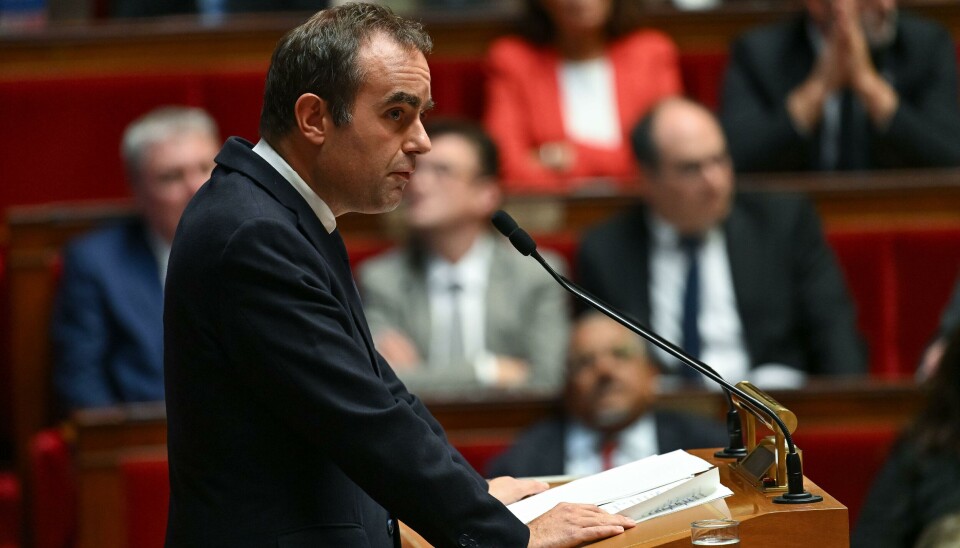
Prime Minister Sébastien Lecornu said the government expects prices to fall
LE PICTORIUM / Alamy Stock Photo
French Prime Minister Sébastien Lecornu has requested that fuel prices drop “by the end of the weekend [or] the start of next week,” following the announcement of a two-week ceasefire in the Middle East.
He also said that he is not opposed to requests by five EU countries, including Germany, to implement a windfall tax on energy suppliers that have seen profits soar due to the effects of the war.
It comes as ships slowly trickle out of the Strait of Hormuz, which has been blocked to most traffic since the start of the war at the end of February.
Logistics experts warn that it will take up to 10 days for the backlog of ships in the strait to clear before any new ones can pass through, limiting the effect on global supply chains.
Oil prices fell on Wednesday (April 8), however rose again by 2% to 3% this morning, following concerns that the fragile ceasefire may be broken before the two-week deadline.
‘Effects of ceasefire should be visible’ for drivers
Mr Lecornu made his comments in front of the Senate, as part of a weekly question and answer session.
“When the crisis began, prices rose very, very quickly at the pump, even though the tankers had been purchased and filled before the start of the war,” he said.
“While the government can understand a three- or four-day delay between the start of this ceasefire and the impact on prices at the pump, it is clear that the effects should be visible at the pump starting at the end of the weekend, beginning of next week.”
Fuel prices should drop by 5c to 10c per litre in the coming days, Olivier Gantois, president of the French Union of Petroleum Industries (UFIP) said on Wednesday (April 8) after the ceasefire was announced.
The prime minister also announced a series of exceptional measures to shore up sectors impacted by the rise in fuel prices, including continual support for the logistics sector and new aid for farmers set to be announced by the end of the week.
However, fishing unions have blocked two of Corsica’s main ports since Tuesday morning, arguing aid is insufficient. Logistics unions called off further strike action last week, but say they will take to the roads again if they believe aid is not correctly being given to companies.
The prime minister also asked Transport Minister Philippe Tabarot to allow for exceptional late night and weekend deliveries, including for fuel, to tackle any service station shortages in the country.
Despite thousands of stations across France reporting shortages or being completely out of fuel, the government says this is merely a logistical issue caused by an influx of drivers filling up and largely impacted TotalEnergies, where a fuel cap saw costs significantly below competitors.
This cap has been revised and extended until April 30, albeit with revised prices.
Is a windfall tax incoming?
Mr Lecornu also said he has “no fundamental objection,” to the idea of an EU-wide windfall tax on energy companies profits.
It comes after finance ministers from Germany, Italy, Austria, Portugal, and Spain sent a letter to the European Commission asking for the implementation of such a tax.
“Those who profit from the consequences of the war must do their part to alleviate the burden on the general public,” the letter reportedly said.
It is modelled on the bloc’s solidarity contribution introduced after the 2022 outbreak of the war in Ukraine, which saw a tax of 33% on the profits of oil and gas companies exceeding their average of the previous four years by more than 20%.
The windfall tax would go one step further, seeing non-EU profits also taxed under the scheme.
Brussels confirmed it had received the request and was reviewing it, but gave no further updates.
TotalEnergies saw a reported $1 billion in additional profits by purchasing Middle Eastern crude oil in the early days of the conflict (before significant price rises), and share prices for several oil companies have soared since the war began.