I have overstayed the 90 day rule in France - what is going to happen?
Rules limit how long travellers can remain in EU without requiring a visa
If you spend too much time in the Schengen Area, the main risk is a fine on leaving
Frame Stock Footage / Shutterstock
Reader Question: I mistakenly spent a few days too many in France after several trips between my second home here and my main home in the UK. Are there penalties even if you only overstay by a little and by error?
Yes, there can be penalties for overstaying in the Schengen Area, accidental or otherwise.
The rolling 90/180 limit means that a person can only spend a maximum of 90 days in any 180-day period within the Schengen Area, and must coordinate their travel plans accordingly to prevent overstaying (or alternatively apply for a visa to stay longer than this).
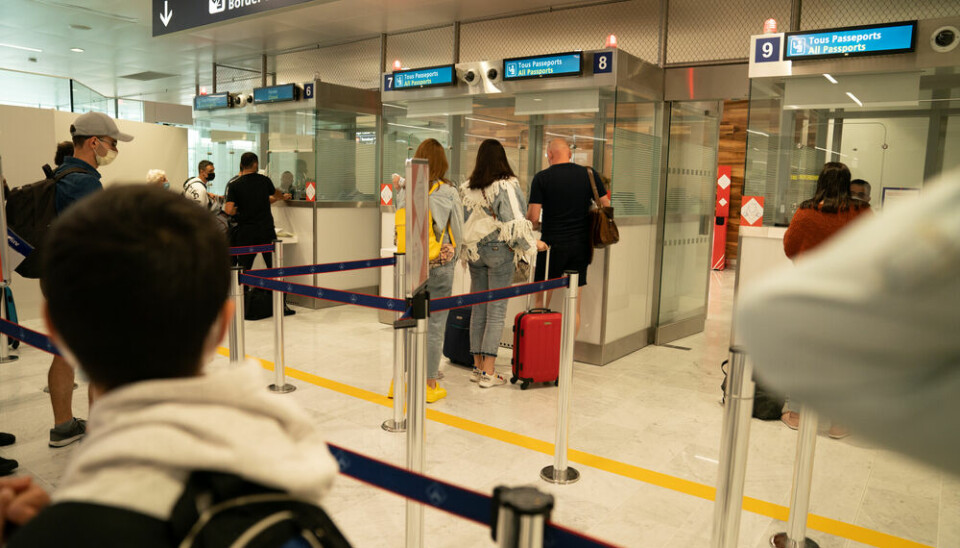
If you spend too much time in the Schengen Area, the main risk is a fine on leaving, and we have heard reports of this happening.
The fine set out by French law for this is €198 (it is set at double the price of a long-stay visa, which is €99).
Other penalties for overstaying in the Schengen Area can in theory include a ban on re-entering the area for a number of years, though we have never heard of this being applied.
If, rather than this being discovered at the border, a person is found to be staying in France without valid visa waiver or visa rights, they can also be ordered to leave and potentially deported.
Fines are a matter of national law, so can vary depending on which country you are caught in, with Schengen Area states setting their own rules.
In general, however, it is treated as a less serious issue when a person is leaving the bloc and is found to have (slightly) overstayed, as opposed to being caught remaining in the country without plans to leave. In cases where overstaying is linked to illegally working or earning income without the right visa, this is also seen as more serious.
A record may also be kept of the overstaying, which could potentially count against you if, for example, you were applying for a visa in future.
This process has been streamlined with the introduction of the European Entry/Exit System, which flags overstayers automatically.
However, immigration authorities can remove this overstaying status if you provide evidence that it occurred due to “unforeseeable or mitigating circumstances” (eg. hospitalisation due to a serious injury).
To prevent overstaying your welcome, carefully plan your time in the bloc, or use the official EU calculator to check your travel plans are within the limits.
Can I stay longer than 90 days in some circumstances?
If you overstay your welcome by a day or so because you cannot travel back due to an exceptional circumstance such as an illness a small delay is unlikely to see you face penalties providing you have proof the delay was legitimate.
In certain cases, it is possible to apply for an exceptional permission to remain longer in the bloc.
However, this is only the case for family emergencies, health issues, force majeure, and a small handful of other reasons.
You can apply for this autorisation provisoire de séjour through your local prefecture.
In situations that are not an emergency however – such as the example below of wanting to overstay for a friend’s funeral – authorisation is unlikely to be granted.