


property
Drought damage in France: nearly 1,000 communes declared natural disaster zones
Owners of affected properties can now make fast-track insurance claim
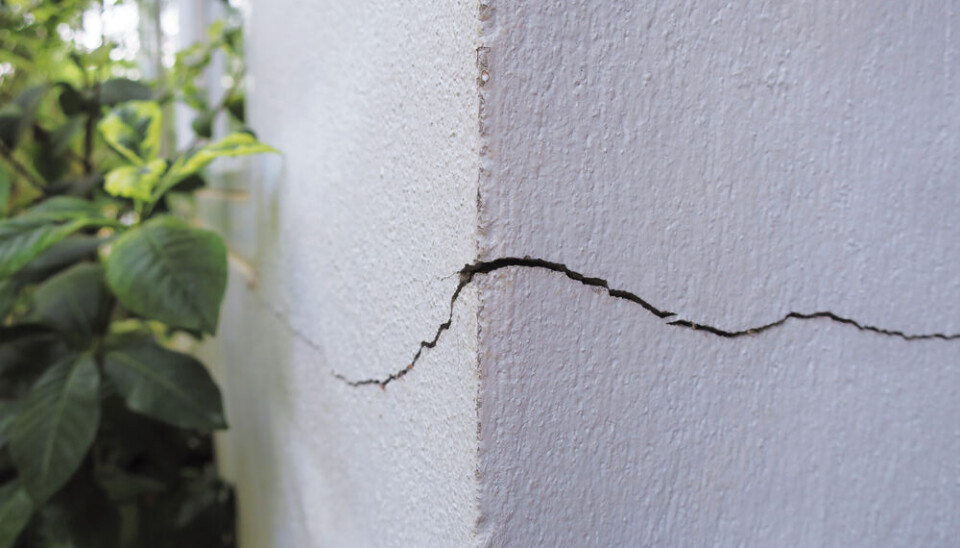


Property owners who experienced damage to their homes during this summer’s droughts may now be able to launch a fast-track insurance claim, as the government has named nearly 1,000 communes on its list of natural disaster (catastrophe naturelle) zones.

A total of 960 communes spread across 43 departments were listed in the Journal officiel on Saturday (November 21) as suffering natural disaster damage due to major droughts this summer.
Residents in these areas have less than a month to make their claim.
Droughts can cause clay soils that properties are built on to shrink and expand, in a process called retrait-gonflement des argiles (RGA).
This can lead to cracks in walls or building foundations, potentially destabilising homes.
Up to 12 million houses are now at risk of RGA, particularly in the south-west where clay soils are more prominent. Roads can also face damage.
List of communes
Following a natural disaster such as a flood or drought, local communes can apply for catastrophe naturelle status (or in some extreme circumstances, the government can accelerate the process).

These communes are then assessed to see whether they fulfill the criteria to be added to the list.
Once the information is compiled, the government declares its list of communes. Note, several lists can be published for the same event, so it is worth keeping up to date with information from local media and the mairie, if you are in a high-risk area or a commune that has suffered from a natural disaster.
The full list of 960 communes declared a natural disaster zone related to this summer’s droughts can be found here. Note, the list technically covers all drought damage from 2026, but most of this happened in the summer.
You can use your web browser’s search function (usually ctrl + f) to see if your commune is listed.
However, check that it is included in Annexe I (communes tested and confirmed) and not Annexe II (communes tested but not granted the status).
Make claim through insurer
Once a commune is listed as a natural disaster zone, residents whose properties suffered damage in relation to the event can file a special claim with their insurer.
You have 30 days from the date the commune is listed in the Journal officiel to make your claim, and this applies to both main and second residences.
You should make the request as soon as possible once the commune is listed.
Claims can be made through the usual process.

Although this can include an insurer’s app/website or phone, it is recommended to send a recorded letter with acknowledgement of receipt (lettre recommandée avec accusé de réception) so you have proof it was made within the time limit.
Check with your insurer to see how they recommend catastrophe naturelle claims should be made.
Your claim should include key information about the damage, including evidence where possible, a list of objects damaged, third party damage, full contact details, and insurance information.
You should then be compensated within three months of your claim, if your insurer accepts the damage was directly linked to the natural disaster.
To make a claim, you will need to have an insurance policy covering that includes catastrophe naturelle damage. Most standard multi-risk (assurance multirisques habitation) policies include this.
For RGA damage, there is typically a €1,520 excess.
More information on how to make a claim is available in our article here, including additional advice for second home owners.


